

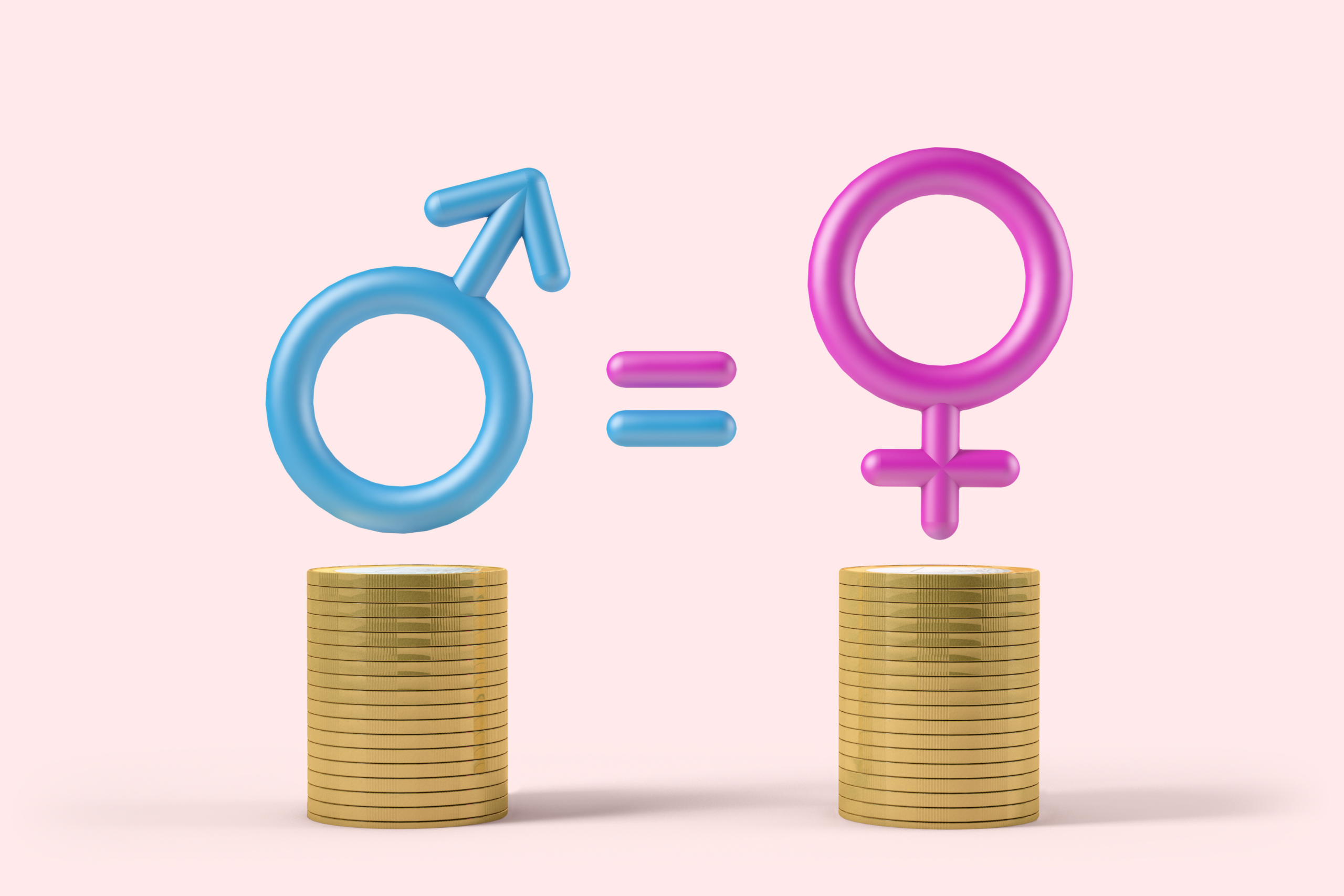
EU Pay Transparency Directive 2023/970: Key Impacts on Employers and HR Practices
EU Pay Transparency Directive 2023/970 marks a significant step forward in the European regulatory framework on equal pay. It does not merely reaffirm the existing principle set out in Article 157 of the TFEU (Treaty on the Functioning of the European Union), according to which:
Each Member State shall ensure that the principle of equal pay for male and female workers for equal work or work of equal value is applied.
Article 157(1), TFEU
While this principle has been in force for decades, Directive 2023/970 introduces concrete mechanisms designed to make pay equality measurable, transparent, and enforceable. Equal pay between men and women performing the same work or for work of equal value is therefore no longer a purely declaratory objective. It becomes a verifiable outcome, supported by enhanced transparency requirements that directly affect job evaluation systems, pay policies, and HR processes throughout the employment lifecycle.
Entry into Force of EU Pay Transparency Directive and Its Transposition in Italy
EU Directive 2023/970 was adopted in May 2023 and will become directly applicable to companies from 7 June 2026, by which date Member States are required to transpose it. By that deadline, national legislation must be introduced or existing provisions amended in order to:
- Define accessible tools or methodologies enabling employers and social partners to establish and use gender-neutral job evaluation, comparison, and classification systems
- Regulate employers’ information obligations
- Set out roles, responsibilities, and controls
- Establish sanctions
- Coordinate the interaction with existing legislation (e.g. equal opportunities law, transparency and privacy rules)
Key Innovations Introduced by EU Pay Transparency Directive
The regulatory framework is structured around three main areas.
1. Pay Transparency at Recruitment Stage and Throughout the Employment Lifecycle
The Directive applies both at the access-to-employment stage and during the management of the employment relationship, defining employers’ information obligations regarding pay and the criteria used to determine it.
Key elements include:
Within the Directive, the concept of work of equal value plays a central role. Employers are therefore required to implement pay structures that allow the value of different jobs within the organisation to be determined in a gender-neutral manner.
This assessment must be based on non-discriminatory job classification and evaluation systems, enabling comparison of roles using objective criteria such as skills, effort, responsibility, and working conditions.
This requirement entails a thorough review—and potentially a revision—at company level of existing job evaluation systems and pay policies, with possible impacts on internal organisation, career paths, and reward systems.
2. Gender Pay Gap Reporting: Frequency, Content, and Thresholds
This reporting goes beyond the communication of aggregated data and requires segmentation by comparable job categories and analysis of pay components. In particular, reports must include:
Joint Pay Assessment
Where, within the same job category (under the Directive’s definition, workers performing the same work or work of equal value), a gender pay gap of 5% or more emerges that is not justified by objective, gender-neutral criteria and is not corrected within six months of publication of the report, the company must carry out a joint pay assessment with employee representatives.
This process involves an analysis aimed at:
The outcome of the assessment must be communicated to employees and their representatives. It may also be transmitted to the national monitoring body and, if requested, made available to the Labor Inspectorate and the equality body.
Corrective measures may also include revising job classification systems and job evaluation and weighting criteria, ensuring they are gender-neutral and capable of preventing direct or indirect discrimination.
Gender Pay Gap Reporting thus becomes not only an information tool, but also a trigger for internal dialogue and structured management of potential issues.
3. Strengthened Safeguards and Resulting Liabilities
Compared with the framework already set out in the Italian Equal Opportunities Code (Legislative Decree No. 198/2006), Directive 2023/970 introduces a significant strengthening of judicial and administrative protections safeguarding the principle of equal pay between men and women, expanding procedural enforcement mechanisms.
The Directive requires Member States to ensure effective and facilitated access to justice for workers who consider themselves harmed by a breach of the equal pay principle, even after termination of the employment relationship, including exemption from legal costs, even in the event of an unsuccessful claim.
Key Enforcement Tools and Strengthened Guarantees
The Directive:
Implications for Companies
EU Pay Transparency Directive represents a transformation in how pay equity is understood and applied. It entails a revision of the criteria, processes, and documentation underpinning pay management. Transparency, reporting, evaluation, and shared accountability with employee representatives define a model oriented towards fairness, dialogue, and measurability.
For companies, this scenario presents challenges but also opportunities: fully integrating pay management with organisational strategy, thereby helping to enhance skills, trust, and sustainability in workforce management. Moreover, the Directive requires less structured organisations to systematise pay policies, moving away from a collection of individual decisions.
How to Prepare for the Transposition of EU Pay Transparency Directive 2023/970
Understanding the implications of the Directive today means being ready for its national transposition. Companies can make effective use of the lead-in time by starting to analyse their workforce, with particular attention to job classifications and pay structures.